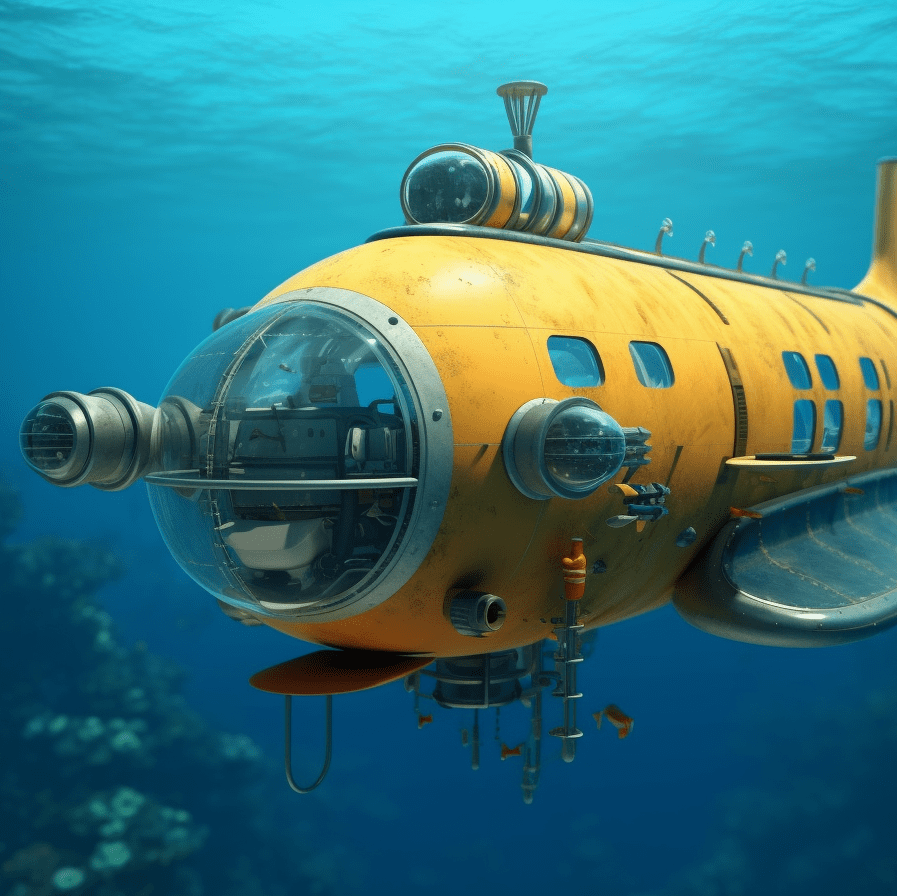
In recent years, a new trend has emerged in the world of travel that caters to thrill-seekers and adventure enthusiasts: extreme tourism.
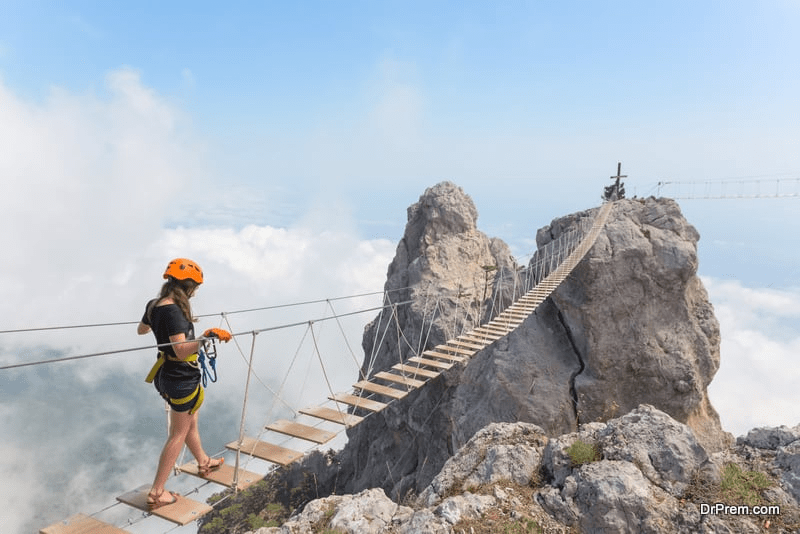
Extreme tourism (also often referred to as shock tourism), is a niche in the tourism industry involving travel to dangerous places (mountains, jungles, deserts, caves, canyons, etc.) or participation in dangerous events. Extreme tourism overlaps with extreme sport.
This adrenaline-fueled form of travel takes adventurers to the farthest reaches of the Earth, offering experiences that push the boundaries of human exploration.
However, as the recent tragedy involving the implosion of the Titan submersible reminds us, extreme tourism comes with its own set of dangers and exorbitant price tags.
In this blog post, we will delve into the rise of extreme tourism, exploring its allure, risks, and the ethical considerations it poses.
The Allure of Extreme Tourism
Extreme tourism appeals to individuals who crave unique and heart-pounding experiences. These adventurers seek to conquer the highest peaks, dive into the deepest abysses, and explore the most remote corners of our planet.
From mountaineering in the Himalayas to diving with great white sharks, extreme tourism promises a rush unlike any other. It offers an escape from the ordinary and an opportunity to witness the raw power of nature up close.
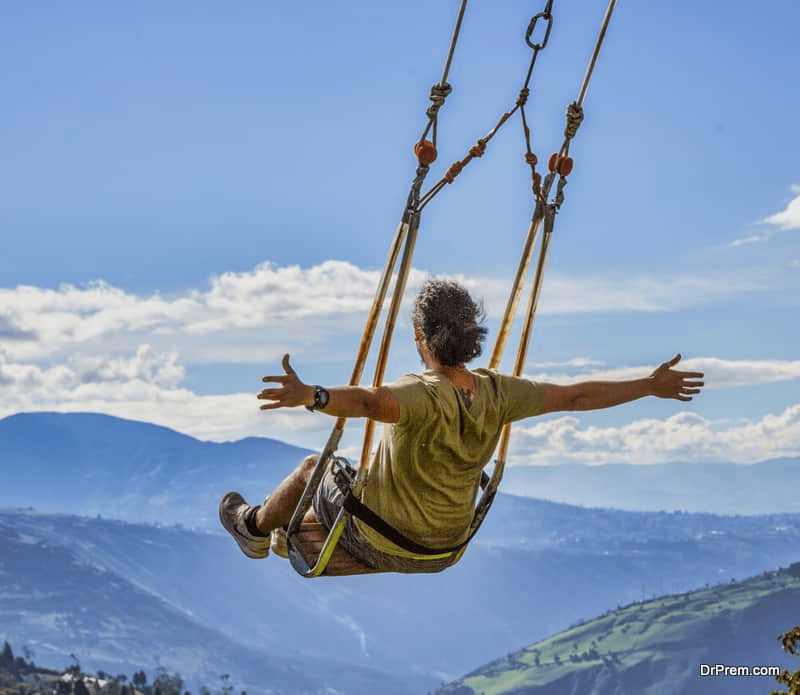
Unveiling the Risks:
However, it is essential to acknowledge the risks associated with extreme tourism. These activities often involve venturing into hazardous environments where the slightest mistake can have severe consequences.
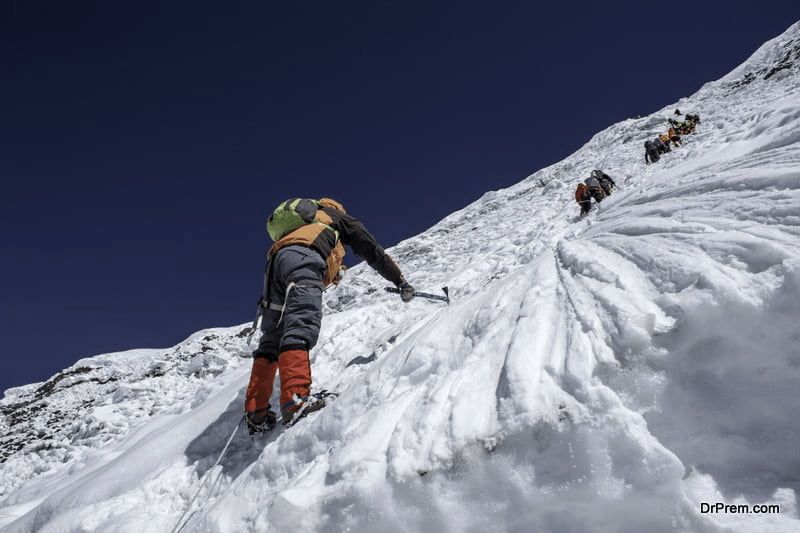
Mountaineering expeditions carry the risk of avalanches, altitude sickness, and unpredictable weather conditions. Exploring remote caves or deep-sea diving poses risks of entrapment, decompression sickness, and even fatal accidents.
The recent tragedy involving the implosion of the Titan submersible is a stark reminder of the potential dangers that extreme tourists face.

The High Price of Adventure:
Extreme tourism is not only physically demanding but also financially daunting. The experiences offered by this niche industry often come with exorbitant price tags. The costs can include specialized equipment, permits, expert guides, and extensive safety measures. Accessing remote and extreme locations requires substantial logistical support, which drives up the overall expense.
Additionally, insurance coverage for extreme activities tends to be expensive due to the inherent risks involved. As a result, extreme tourism becomes a luxury only accessible to those with substantial financial resources.
Adventurers around the world are shelling out big bucks to travel to remote — and often dangerous — parts of the Earth.
The great and interesting facts
- Before COVID, people were content with traditional tourist activities, walking down the seine, going to art galleries, and lying on the beach. But now items that were not even on the radar before, that is what people want to do.
- Several factors, including new technologies and post-pandemic demand, are driving a surge in extreme tourism.
- The world’s wealthiest thrill-seekers are pushing tourism to its limits.
- The expedition to the wreckage of the Titanic that went missing this week is just the latest example. Each of the five passengers paid $250,000 (Rs.2 crore) to travel nearly 2.5 miles deep into a remote part of the Atlantic Ocean to tour the ruins.
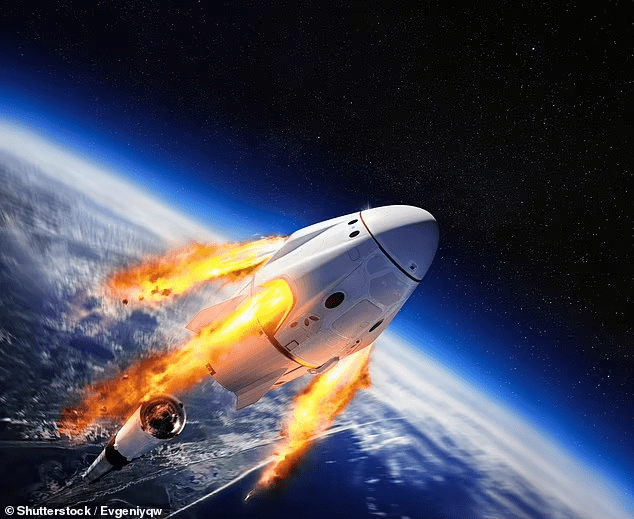
- The newest entry on the menu of potentially dangerous, extremely expensive travel — a trip to space — might cost millions. In fact, a trip to apace cost Rs. 2 crore – Rs. 22 crore.
- As per market research, adventure tourism will rake in up to Rs. One lakh crore by 2030.
- A journey to the South Pole is just under $100,000, As reported by the Wall Street Journal.
There are very few places on the planet that people have never been to, and the demand for a unique trip increases its price and value,.
- Nepal issued a record number of permits to summit Everest during the most recent climbing season, the Journal notes.
- The global adventure tourism industry is expected to balloon from $322 billion in 2022 to more than $1 trillion in 2023 as more companies seek to bring tourists to thrilling destinations.
Ethical Considerations
The rise of extreme tourism raises ethical questions that cannot be ignored. Many extreme activities intrude upon delicate ecosystems and put vulnerable species at risk.
Activities like off-road driving or diving near delicate coral reefs can have long-lasting negative impacts on the environment. Moreover, there is a concern about the exploitation of local communities and cultures. Extreme tourism often occurs in economically disadvantaged areas, and there is a risk of local populations being taken advantage of for the sake of profit.
Striking a balance between adventure and sustainability is essential to ensure the preservation of natural wonders and the well-being of local communities.
Finding a Middle Ground
While extreme tourism offers unparalleled excitement and adventure, it is crucial to approach it responsibly. First and foremost, safety should be a top priority. Prospective extreme tourists must undertake thorough research, choose reputable operators, and be aware of the risks involved.
Participating in comprehensive training programs and obtaining necessary certifications can also minimize potential dangers.
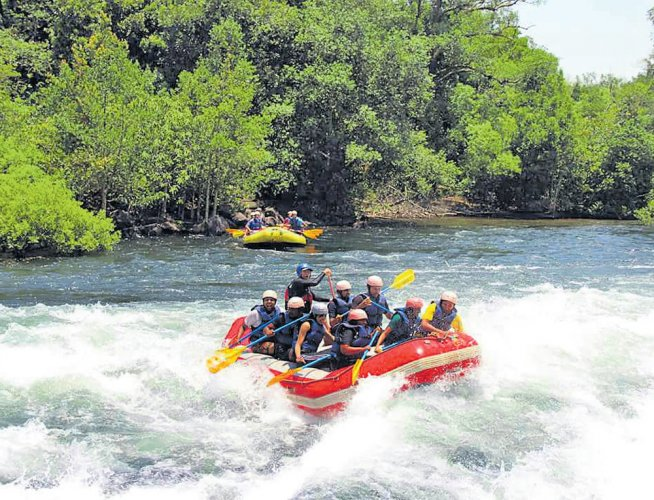
Additionally, travelers should consider the environmental impact of their adventures. Opting for eco-friendly and sustainable practices, such as choosing operators committed to responsible tourism, can help mitigate the negative consequences on the environment.
Friends,
The rise of extreme tourism has opened doors to extraordinary experiences that push the boundaries of human exploration. However, it is important to approach this form of travel with caution, recognizing the inherent risks and the financial implications it carries.
Striking a balance between adventure and responsibility is crucial to ensure the safety of travelers, the preservation of natural wonders, and the well-being of local communities.
Extreme tourism can be a thrilling and life-changing pursuit, but it must be approached with awareness, respect, and a commitment to sustainability.
(Pic courtesy: Google.com)
BE HAPPY….BE ACTIVE….BE FOCUSED….BE ALIVE…
If you enjoyed this post, please like, follow, share, and comments
Please follow the blog on social media … visit my website to click below.
Categories: infotainment
 Retiredकलम
Wonderful article Sir and fabulous information, but extreme tourism is definitely not for me! I’ll stick to the safe and traditional. All the best.
LikeLiked by 2 people
Yes Sir,
We are happy with our traditional tourism.😂😂
LikeLiked by 1 person
Absolutely! Have a great day Sir, hope you do something marvellous and magical! That’s what creating beauty is all about. All the best.
LikeLiked by 1 person
Yes, I am enjoying my drawing today, Sir.💕
LikeLiked by 1 person
Wonderful Sir!
LikeLiked by 1 person
Thank you sir,
How is your day ?
LikeLiked by 1 person
You’re very welcome Sir. My day has been a little painting, a little writing and now I am wrapping up things at the studio by putting a few more touches of paint on the new work. I hope you had an enjoyable and productive day. All the best and a peaceful evening to you.
LikeLiked by 1 person
That is great as your day is productive.
Good evening, Sir.
Have a cocktail evening.💕
LikeLiked by 1 person
Thank you Sir, you too, have a restful night.
LikeLike
People need thrill
LikeLiked by 1 person
Yes dear,
Adventure is the way to live life for some people.
I am happy with my traditional tourism. What about you?😊😊
LikeLiked by 1 person
So far hasn’t experienced any of it
LikeLike
Extreme tourism is not for me. I’ll stick with traditional tourism. I enjoy calmness and serenity. 😊
LikeLiked by 1 person
Yes, you are correct, We are happy with the traditional tourism.
Thanks for sharing your feelings.💕
LikeLiked by 1 person
I’m definitely not what we prev iously called adrenaline junkies but I agree, I share your concerns about the risks and impacts of extreme tourism. You’re right in that this has exacerbated sense COVID.
LikeLike
Since Covid*
LikeLike
Thank you so much.
LikeLike