
Delhi: that beats in every Indian’s chest
Delhi, the capital of India, is a city that has been shaped by centuries of history, culture, and politics. It is a city that is home to a diverse population of over 20 million people, and it is a city that is constantly evolving.
The historical significance of Delhi
Delhi, with its rich history and cultural significance, has stood as a prominent city for countless centuries. As the former capital of the Mughal Empire, it carries a legacy of grandeur and historical importance.
The eminent presence of iconic landmarks like the Red Fort and the Jama Masjid further adds to the allure of this metropolis.
Moreover, Delhi serves as a hub for education, fostering the growth of knowledge and learning, while also flourishing as a center for vibrant cultural expressions and a bustling marketplace for commerce.
The city’s multifaceted nature embodies a blend of tradition and modernity, making it a compelling and dynamic destination for visitors and residents alike.

The cultural diversity of Delhi
Delhi is a city of many cultures. People from all over India come to Delhi to live, work, and study. The city is home to a wide variety of languages, religions, and customs. This diversity is one of the things that makes Delhi so special.
The political importance of Delhi
The city of Delhi, known for its historical significance and political prominence, holds a pivotal role as the political capital of India. Its rich cultural heritage and influence have contributed to its status as a significant center of power on the global stage.
Delhi is home to essential institutions such as the Parliament of India, the renowned Rashtrapati Bhavan, and the esteemed Supreme Court, all of which play a crucial role in shaping the country’s governance and legal framework.
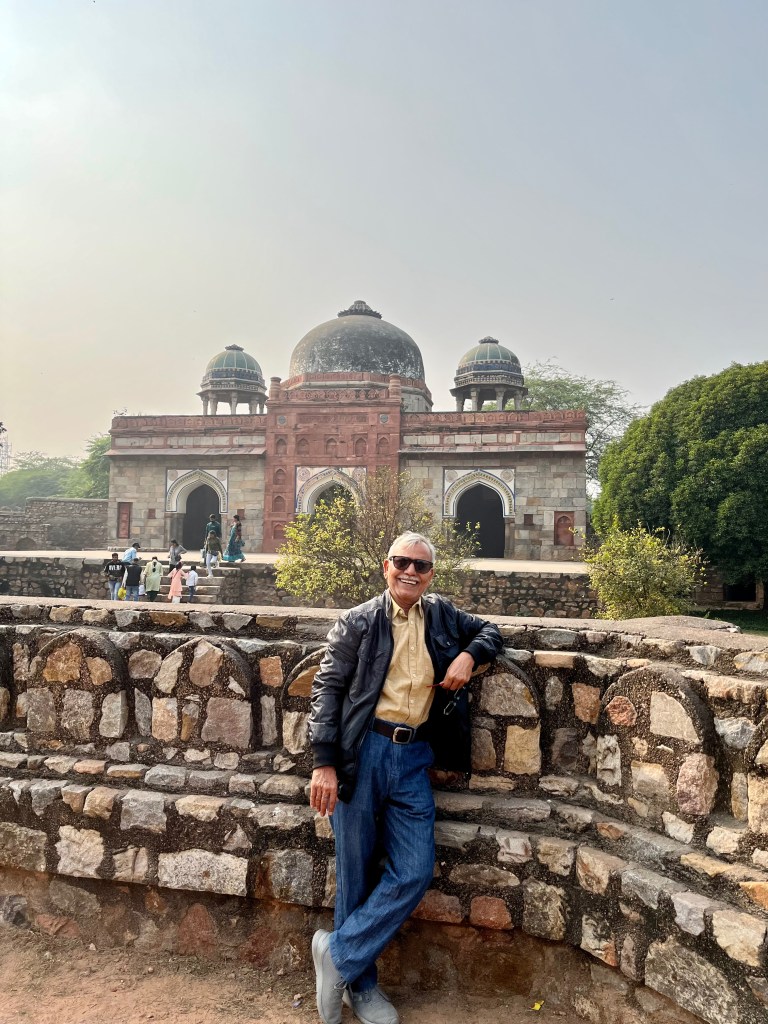
Furthermore, Delhi serves as a major hub for international diplomacy, hosting diplomatic missions, embassies, and international organizations. Its strategic location and historical significance make it a prominent meeting ground for global leaders and representatives.
The city’s diplomatic prominence reflects its role in facilitating discussions, negotiations, and collaborations on crucial international matters.
Delhi’s multidimensional importance as a political capital, historical center, and diplomatic hub underscores its significant influence within India and on the global stage.
The city’s contributions to governance, law, and international relations further establish its pivotal position in shaping the socio-political landscape.
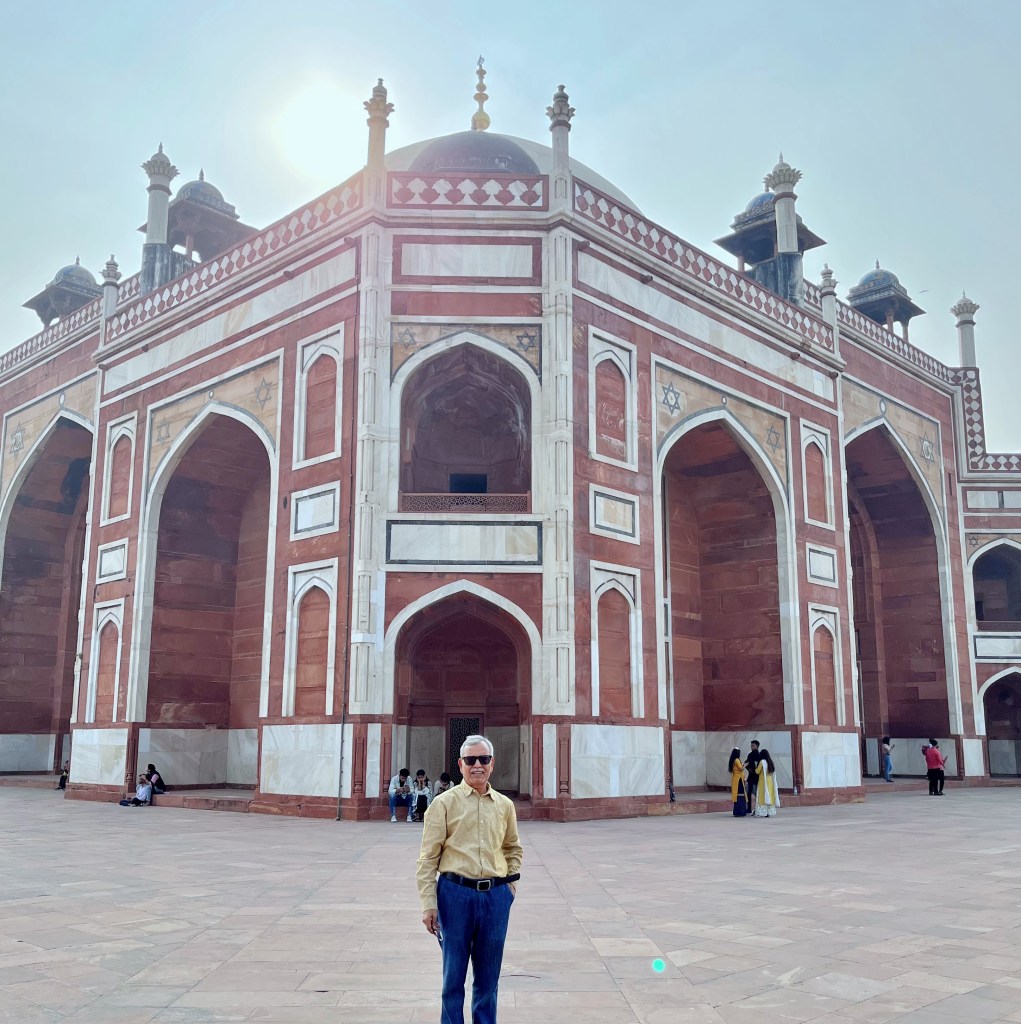
The challenges facing Delhi
The city of Delhi, the bustling capital of India, is a place of stark contrasts and myriad challenges. Poverty, pollution, and crime are some of the pressing issues that the city grapples with on a daily basis.
The hustle and bustle of the city are accompanied by the struggles of many of its inhabitants.
However, amidst these challenges, there is an undeniable spirit of resilience and determination that permeates the fabric of Delhi. The vibrant tapestry of the city is woven with the stories of individuals and communities who are striving to overcome these obstacles and make a positive difference.
Despite the obstacles, Delhi is a city that refuses to be defined solely by its challenges.
The government is actively engaged in addressing the pressing issues facing the city, implementing policies and initiatives aimed at mitigating the impact of poverty, tackling pollution, and combating crime.
Additionally, the people of Delhi, with their unwavering spirit and resolve, are at the forefront of efforts to bring about positive change.
Through grassroots initiatives, community empowerment, and advocacy, the people of Delhi are working tirelessly to elevate their city and create a better future for themselves and future generations.

Delhi, in its complexity, is a city that embodies the essence of resilience and determination. The challenges it faces only serve to galvanize the collective will of its inhabitants, propelling them forward in their quest to conquer adversity and build a brighter tomorrow.
As the city continuously evolves, it stands as a testament to the unwavering human spirit and the boundless potential for positive transformation.
Why Delhi is the heart of India
The city of Delhi is a vibrant and dynamic metropolis that holds a special place in the heart of India. Serving as the capital of the country, Delhi stands as a symbol of power, governance, and national identity.
Its rich history and cultural significance make it a central hub for art, architecture, and traditions that have shaped the nation over centuries.
Moreover, Delhi’s role as a prominent center for commerce and trade has contributed to its bustling energy and economic importance.

As a melting pot of diverse communities and ideologies, Delhi embodies the spirit of unity in diversity, welcoming people from all walks of life. The city’s streets resonate with a palpable sense of vitality and optimism, reflecting the dreams and aspirations of its residents.
Each corner of Delhi tells a story of resilience, creativity, and a relentless drive towards progress.
Indeed, Delhi’s pulsating rhythms and enduring spirit make it a city like no other, with an enduring allure that captivates hearts and minds alike.
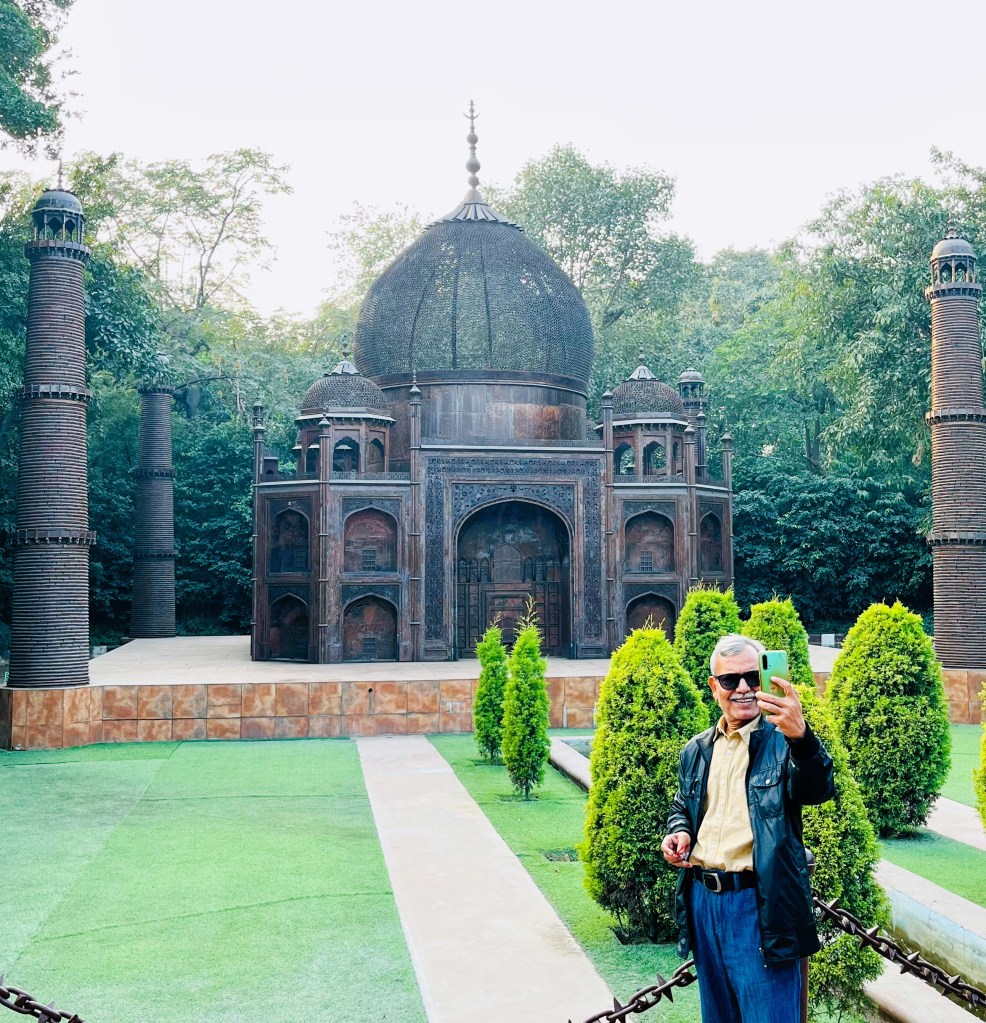
The Mughal atrocities on Delhi
The Mughal Empire was a Muslim empire that ruled over much of India from the 16th to the 18th centuries.
The Mughals were great builders and patrons of the arts, but they were also ruthless conquerors. They committed many atrocities on the people of Delhi, including:
- Massacres: The Mughals massacred thousands of Hindus and Sikhs in Delhi.
- Plunder: The Mughals plundered Delhi, stealing its wealth and treasures.
- Destruction: The Mughals destroyed many Hindu temples and mosques in Delhi.
The British atrocities on Delhi
The British Empire ruled over India for over 200 years. The British were also ruthless conquerors. They committed many atrocities on the people of Delhi, including:
- Massacres: The British massacred thousands of Indians in Delhi, including the infamous Jallianwala Bagh massacre.
- Plunder: The British plundered Delhi, stealing its wealth and treasures.
- Destruction: The British destroyed many Indian cultural artifacts in Delhi.
Despite the atrocities that have been committed against it, Delhi remains the heart of India. It is a city that is full of life, and it is a city that is full of hope.
The people of Delhi are resilient and determined to make their city a better place.
Categories: infotainment


My friends and I always play football together every day and we also don’t forget to read the blog that you make every day, the blog that you made is so good and has become my and my friends’ favorite blog, thank you for adding new experiences for me and my friends I
LikeLiked by 1 person
Thank you so much for your wonderful message! I’m thrilled to hear that you and your friends enjoy both playing football together and reading my blog. It’s truly heartwarming to know that my blog has become a favorite for you all and that it adds new experiences to your lives. Your support and enthusiasm mean the world to me. Keep having fun on the field and happy reading!
LikeLike
when i was walking in a very big village, i saw this blog accidentally and i like this blog.
LikeLiked by 1 person
Thank you so much for your support.
Please watch this video and subscribe my channel
LikeLike
My mother and I really enjoy reading the blog that you make every day, the blog you make is so good and is the best blog that my mother and I have ever read, thank you for adding new experiences for me and my mother
LikeLike
I really like reading the information you provide, it is very useful, so I really like it.
LikeLiked by 1 person
Thank you so much for your king word.
Your words mean a lot.
LikeLike
Finding and reading the latest information you provide really increases my insight into reading reliable information.
LikeLike